

How to Cold Smoke Cheese: Temperature, Wood & SG1/SG2
Cold smoke gouda, cheddar and firm cheese using an external smoke generator. Learn temperature monitoring, suitable wood, safe handling and SG1/SG2 differences.

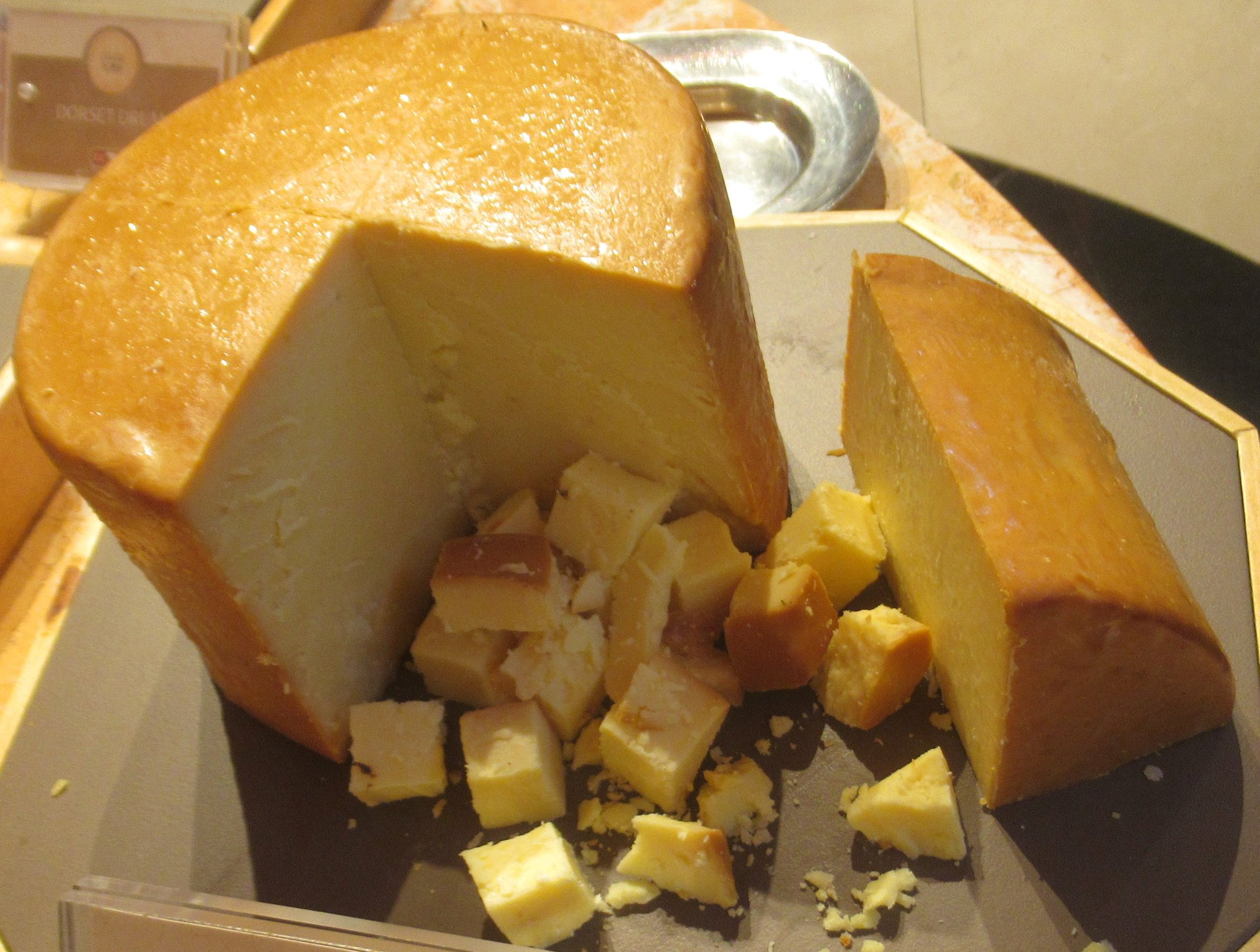
How do you cold smoke cheese without melting it or making the flavour harsh? The key is a cool chamber, mild and steady smoke, space around the cheese and careful control of how long food is outside refrigerated storage. An external smoke generator lets you create smoke outside a dedicated cabinet or compatible grill, but it does not function as a refrigerator or make food safe automatically.
At a glance: begin with commercially produced pasteurised firm cheese, a clean cold-smoking chamber and a probe thermometer near the cheese. Keep the chamber as cool as practical; equipment guides commonly aim around 20°C and warn against exceeding approximately 30°C because cheese may soften or release oil. That temperature advice addresses cheese texture and smoke conditions, not a microbiologically validated safe holding time. Refrigerate promptly and follow the cheese maker’s storage guidance.

1. Which cheese is easiest to cold smoke?
Firm and semi-firm cheeses hold their shape and are easier to handle than delicate fresh cheeses. Start with a familiar, pasteurised product from a reputable supplier and retain the original label and use-by date. The purpose of smoking is to add flavour, not to preserve a perishable cheese.
| Cheese | What to expect | Beginner advice |
|---|---|---|
| Gouda / Edam | Mild base that allows subtle wood flavours to stand out | A useful first trial; choose a firm block |
| Cheddar | Stronger cheese flavour with a pleasant smoky contrast | Begin with gentle smoke rather than maximum intensity |
| Gruyère / firm alpine-style cheese | Nutty, complex flavour; typically keeps its shape | Try small portions to judge the balance |
| Fresh, soft or high-moisture cheese | Can deform, sweat or pose more challenging handling risks | Not recommended for a first home trial |
Cut or arrange pieces so that smoke can circulate around their surfaces without stacking them. There is no need to chase an exact block size: focus on adequate airflow, gentle exposure and refrigeration.
2. Cheese smoking temperature: what the numbers really mean
Cold-smoking cheese needs substantially lower temperatures than hot-smoking meat. Equipment guidance from Masterbuilt suggests approximately 20°C in the smoker and staying under 30°C to avoid melting; Ontario’s cheese-smoking guidance likewise discusses managing smoke-vapour temperature to avoid softening and oiling off. These are practical process and appearance limits, not guarantees of food safety.
Use a separate calibrated probe at cheese level. Do not trust a thermometer next to the exhaust, the ambient forecast or a claim that an active cooler always maintains a fixed temperature. On a warm or sunny day, a cold-smoke generator cannot necessarily keep the enclosure cold enough: postpone the session or use an appropriately controlled food-safe setup. Do not extend unrefrigerated exposure simply to achieve more smoke flavour.
3. The simplest equipment layout with an external generator
Think in terms of generator outside → suitable smoke inlet → open space around cheese → adjustable upper exhaust. Use a clean, food-appropriate smoking cabinet or a compatible grill, with the exhaust partly open to allow a steady through-flow. No lit charcoal is needed in the chamber. Keep the generator and pump on a stable outdoor surface, protect electrical parts and verify that food drips cannot reach the smoke equipment.
For a purpose-built or adapted cabinet, use our cabinet inlet, ventilation and layout guide. For ceramic grills, follow cold smoking in a Kamado before connecting an adapter. In either case, carry out an empty-chamber smoke and temperature check before handling cheese.

4. Choosing wood: keep the first cheese batch mild
Alder, beech and suitable fruitwoods are common choices for cheese, depending on preference. Alder usually gives a delicate flavour; beech can be more pronounced; applewood can add a gentle aromatic note. Avoid treated, painted or otherwise contaminated fuel. The important distinction is not finding an imaginary “best” wood but using clean fuel compatible with your generator.
TISKRE-DO SG1 and SG2 are designed for dry 3–8 mm wood chips. Both include 1 L of alder chips. Fill loosely and avoid dusty fines that could impede airflow. Read the separate wood-chip selection guide for species, particle size and fuel troubleshooting. Do not transfer recommendations for other industrial smoke-making methods to these specific products without checking the manufacturer instructions.
5. A careful first-session workflow
- Choose and check the cheese. Use unopened, properly refrigerated pasteurised firm cheese, inspect the packaging and use-by instructions, then prepare a small first batch with clean utensils.
- Clean and prepare the chamber. Check rack cleanliness, free smoke inlet and adjustable exhaust. Keep a probe at cheese height.
- Test the generator without food. Follow its assembly and ignition manual, use dry 3–8 mm chips, set a moderate airflow and watch the chamber temperature.
- Arrange cheese with space. Place on clean food-safe racks without stacking or blocking the inlet; avoid direct blasts of smoke or dripping condensate.
- Control exposure, not the clock alone. Recipes may describe sessions lasting hours, but that is not a universal safe time for unrefrigerated dairy. Set a food-safe time/temperature plan appropriate to the cheese and local guidance; stop early if temperature, moisture or handling conditions are unsuitable.
- Stop, chill and label. Remove cheese with clean utensils, cool/refrigerate promptly as required by its label, package hygienically and mark the smoking date. Keep it refrigerated under the original product’s requirements.
- Evaluate the flavour after chilling. Freshly smoked cheese can taste sharp. A period of refrigerated flavour settling may improve the balance, but ageing in a fridge does not make unsafe cheese safe or reset its expiry date.
6. Is SG1 or SG2 better for cold-smoking cheese?
Both models produce smoke outside the food chamber; neither is a refrigerator and neither fixes unsafe ambient temperatures. They share a 5.1 L (Ø130 mm) chip container and dry 3–8 mm chip specification.
| Practical consideration | SG1 | SG2 |
|---|---|---|
| Smoke cooling | Passive three-plate cooler | Active five-layer labyrinth cooler-filter |
| Air supply | YE-923 pump | One dual-chamber YE-922 compressor |
| Condensate management | No dedicated glass collection jar | Glass jar for captured condensate |
| When to consider | Straightforward setup with passive smoke cooling | Additional smoke cooling and controlled condensate collection |
For cheese, a stable moderate smoke flow, a suitable clean food chamber and monitoring are more important than model size alone. Read SG1 vs SG2: detailed comparison rather than choosing from a vague performance claim.
7. Troubleshooting common cheese-smoking problems
| Observation | Likely reason | What to change |
|---|---|---|
| Cheese sweats, oils or begins to soften | Chamber or smoke too warm | Stop and refrigerate appropriately; do not continue under unsuitable conditions |
| Very bitter or acrid flavour | Over-intense smoke, unsuitable fuel or deposits | Use clean mild wood, moderate airflow, maintain the smoke route and shorten unnecessary exposure within a food-safe plan |
| Uneven colour or flavour | Overcrowded racks, poor circulation | Space food, inspect inlet/outlet, run an empty flow test |
| Wet surface or condensate spots | Cold surfaces or condensate reaching food | Check smoke tubing, chamber cleanliness and SG2’s condensate jar; stop if contamination is suspected |
| Generator keeps going out | Moist or compacted chips, obstructed airflow | Use specified dry chips and consult the SG1/SG2 operating guide |
8. Food safety: cold smoke is flavouring, not preservation
Cold smoking without a validated processing and storage plan does not reliably make dairy shelf-stable or eliminate pathogens. Choose ingredients from a reliable source, respect product-specific refrigeration, prevent cross-contamination and do not rely on smoke appearance, a nice aroma or vacuum packing as a substitute for safe handling. Ontario’s cheese-smoking guidance emphasises documented process controls and protected storage/transport. At home, follow local food-safety advice and the cheese producer’s instructions. People at heightened risk from foodborne illness should take particular care.
Frequently asked questions
Can I cold-smoke cheese with SG1 or SG2?
Both can supply smoke externally to a compatible clean chamber. You still need independent temperature control and a safe food-handling plan.
What cheese should a beginner try?
A small batch of commercially made, pasteurised firm cheese such as gouda or cheddar is easier to handle than a fresh soft cheese.
How long should I smoke cheese?
Flavour intensity changes with wood, smoke density and cheese type. A recipe’s hour count is not automatically a food-safe holding time. Follow cheese-specific safe time/temperature requirements rather than a universal timer.
Do I need very thick smoke?
No. Consistent, moderate smoke and good circulation are usually preferable to a dense cloud that may create harsh flavour and deposits.
Can I leave smoked cheese at room temperature after the session?
Do not assume it is shelf-stable. Refrigerate according to the original cheese’s storage instructions and keep its expiry date in mind.
Choosing equipment? Compare the SG1 cold smoke generator with passive cooler and SG2 with active cooler-filter and condensate jar, or browse cold-smoking equipment.