

Wood Chips for Cold Smoking: Types, Size & Airflow
Which smoking wood chips work best? Compare alder, beech and fruitwood, learn why SG1/SG2 use dry 3–8 mm chips, and fix uneven smouldering.

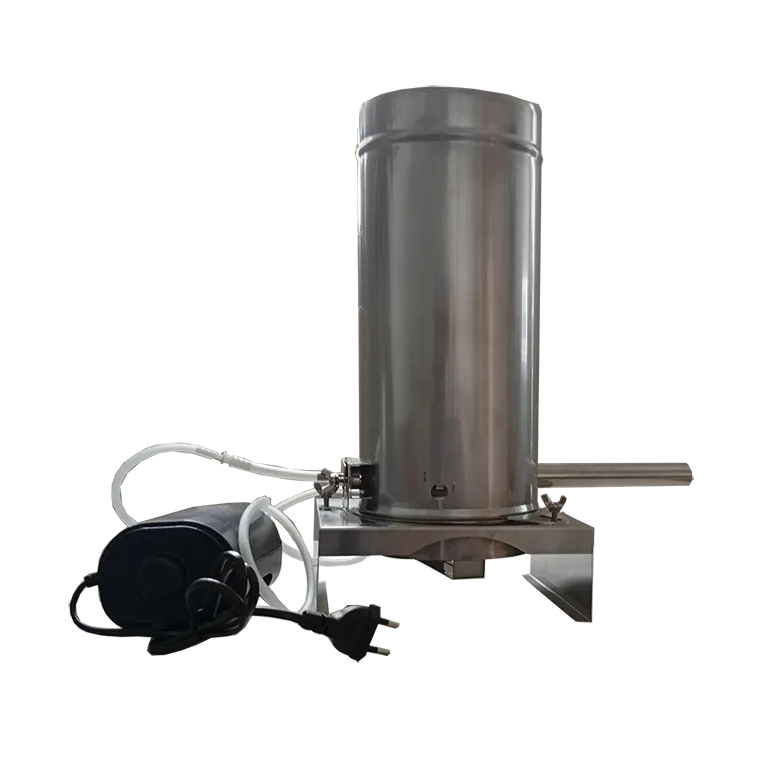
Choosing the right wood chips for cold smoking matters just as much as choosing a smoke generator. The species of wood shapes the aroma, while chip size, dryness and airflow influence whether the chips smoulder steadily or keep going out. This guide focuses on those practical decisions, especially when using an external smoke generator such as the TISKRE-DO SG1 or SG2.
Quick answer: start with clean, untreated, dry alder chips sized 3–8 mm for the TISKRE-DO SG1 and SG2. Fill the container loosely, establish an even smoulder and adjust the pump for a steady, moderate flow of smoke. Choose different hardwoods for flavour only after the basic setup works reliably. This 3–8 mm recommendation applies to these generators; other smoking devices may need different fuel.
Which wood is best for cold smoking?
There is no universally “best” wood. Consider the food, your preferred strength of aroma and whether you want one familiar flavour or a blend. Use only wood intended for food smoking and free from paint, preservatives, glue and other contamination.
| Wood | Typical smoke character | When to consider it |
|---|---|---|
| Alder | Gentle, balanced and relatively neutral | A sensible starting point for fish, cheese and delicate flavours; 1 L of alder chips is included with SG1 and SG2. |
| Beech | Classic, rounded hardwood smoke | Versatile for meat and fish when a more noticeable smoke note is wanted. |
| Apple or other suitable fruitwood | Generally mild, with a subtly sweet impression | Useful for cheese, poultry and milder products; choose food-smoking-grade chips. |
| Oak | Typically stronger and more assertive | Consider modest amounts for robust flavours rather than overwhelming delicate fish. |
Flavour descriptions are tendencies, not guarantees. Results also depend on fuel condition, smoke density, smoking time and the food. Test small batches and record which chips you used instead of mixing several species at random.
Why 3–8 mm chip size matters in SG1 and SG2
Both TISKRE-DO generators have a 5.1 L chip container (Ø130 mm) and are designed for dry chips measuring 3–8 mm. That range balances the supply of fuel with the spaces through which air must pass. A pump-driven generator needs oxygen to reach the smouldering zone in a controlled way.
- Too much fine dust: fines can compact tightly, restrict air passages and cause uneven smouldering. Sift out dusty material rather than forcing it into the generator.
- Very large chunks: fuel that is much larger than specified may not settle or feed as intended. Do not assume chunks sold for charcoal grills are suitable.
- Uneven mixed sizes: changing the fuel mix can change how quickly air moves and how consistently the chips burn.
Check the actual particle size printed on the bag. The product name “smoking chips” alone does not confirm compatibility with a particular smoke generator.
Dry or soaked wood chips?
For SG1 and SG2, use dry smoking chips. Soaking chips is not part of the recommended setup. Extra moisture can make lighting and sustained smouldering less predictable and may contribute to condensation along the smoke path. Avoid confusing moist chips with the separate task of keeping food and the smoking chamber within appropriate conditions.
Store chips closed, clean and dry, away from chemicals or strong odours. Reject chips showing visible mould, musty odour or contamination. Avoid construction offcuts, pallets, varnished or pressure-treated wood, plywood and resin-rich softwood such as pine or spruce. Buy chips identified as suitable for smoking food.
How to fill the generator without blocking the airflow
- Inspect the unit: make sure the smoke path, adapter, tubing and cooler are correctly fitted and unobstructed.
- Inspect the fuel: choose dry 3–8 mm chips and remove excessive fines and foreign particles.
- Fill loosely: do not ram down the chips. The goal is room for air to pass between particles.
- Ignite according to the equipment instructions: check that a stable smouldering zone forms before starting a long session.
- Adjust airflow gradually: use only the airflow needed to keep an even smoulder and a consistent smoke stream. More pump power does not automatically mean better smoke.
- Monitor the session: regularly check smoke output, connections, the chamber temperature and, on SG2, the condensate jar.
- Cool and clean: after use, allow the equipment to cool completely and remove ash or deposits following the model’s manual.
For full assembly and operating instructions, use our SG1 and SG2 setup, airflow and cleaning guide. This article is about fuel selection; it does not replace the operating manual.
Troubleshooting: what the smoke tells you
| What you notice | What to check first | Safer next step |
|---|---|---|
| Chips keep going out | Moist fuel, packed fines, insufficient airflow or blocked inlets | Check chip dryness and size, clear obstructions and gradually adjust the air supply. |
| Very heavy, acrid smoke | Excessive airflow, unsuitable fuel or smouldering conditions | Reduce the air supply as appropriate, inspect the fuel and follow the model’s operating guidance. |
| Uneven smoke output | Variable chip sizes, compacted filling, leaks or unstable combustion | Use a consistent dry 3–8 mm batch, fill loosely and inspect all connections. |
| Water or sticky residue in the smoke path | Moisture, cooling and accumulation of condensate | Inspect and clean the cooler and tubing; empty the SG2 glass collection jar when needed. |
Smoke appearance alone cannot confirm food safety or the absence of harmful substances. Stop if you notice abnormal overheating, damaged parts or unsafe conditions.
Does SG1 need different chips from SG2?
No. Both models use dry 3–8 mm chips and have 5.1 L containers. SG1 uses a passive three-plate smoke cooler and a YE-923 air pump. SG2 adds an active five-layer labyrinth cooler-filter with a glass condensate vessel and one dual-chamber YE-922 air compressor. SG2’s extra cooling and condensation management do not change the specified fuel size.
To choose the system rather than the wood, see our SG1 vs SG2 comparison. You can also review the SG1 passive-cooler model, the SG2 active cooler-filter model and cold-smoking equipment and accessories.
Food safety: wood selection is only one part of cold smoking
Cold smoking adds smoke flavour but does not cook raw fish or meat. Choosing suitable chips does not make an unsafe food process safe. Follow reliable food-specific guidance for sourcing, parasite control where applicable, salting or curing, hygiene, temperature measurement and refrigerated storage. A smoke generator cannot guarantee a safe chamber or food temperature under all ambient conditions.
Frequently asked questions
Are alder chips good for cold-smoked fish?
Yes. Alder is a popular mild option that lets the fish’s own flavour remain noticeable. SG1 and SG2 each include 1 L of alder chips.
Can I use wood pellets or sawdust instead of chips?
Do not substitute them without explicit approval in the generator’s instructions. The recommended fuel for SG1 and SG2 is dry 3–8 mm wood chips.
Do wet wood chips produce better smoke?
Not in this application. Wet chips make ignition and steady smouldering harder to control. Use dry chips as specified.
How much smoke do I need?
A steady, moderate smoke stream is usually more useful than a dense cloud. Actual smoking needs depend on food type and the process; smoke quantity alone is not a safety or quality measurement.
Can I mix alder and beech?
You can experiment with suitable untreated food-smoking hardwoods, but start with one known fuel batch so that you can judge the flavour and generator behaviour before making changes.
Next step: choose a suitable dry chip size, confirm that your generator can run steadily, and only then refine the flavour. If you are new to the process, read our cold-smoking fish guide for food-preparation and safety considerations.
One comment
Comments are closed.
[…] to choose a species or chip size? Read our guide to wood chips for cold smoking for alder, beech, dry 3–8 mm chips and practical airflow […]