
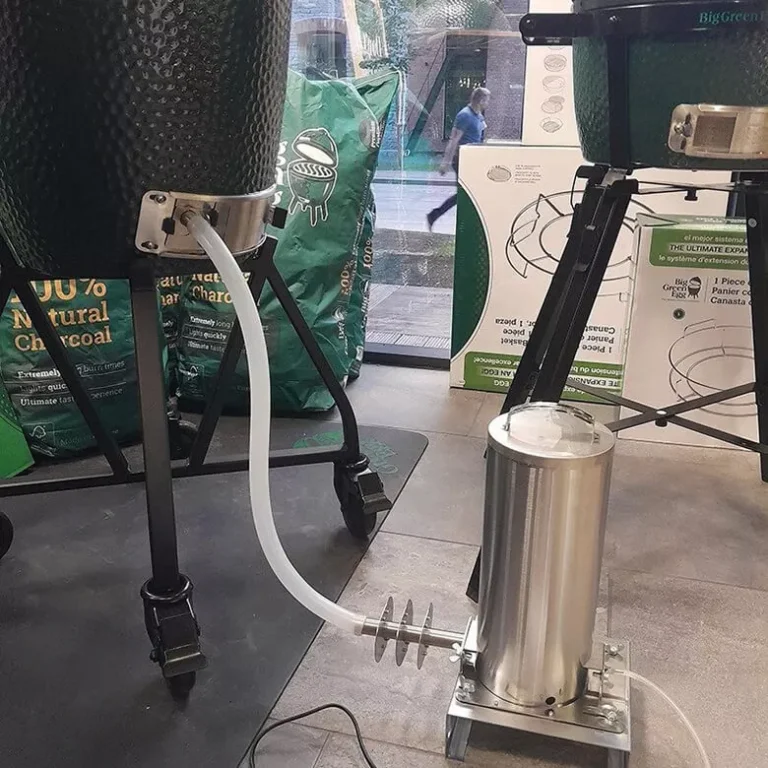
Cold Smoking in a Kamado: External Generator Setup
Learn how to cold-smoke in a ceramic kamado using an external SG1/SG2 smoke generator: adapter compatibility, airflow, chamber temperature, troubleshooting and safety.

Cold smoking is a traditional smoking method used to add flavour, aroma and character to foods such as fish, meat, cheese and other ingredients. In this guide section, you will find practical cold smoking advice for beginners and home users, including preparation steps, smoking time, temperature control, wood chip selection and food safety basics.
These articles are written to help you understand the cold smoking process before choosing equipment or starting a longer smoking session. If you are looking for cold smoking equipment, you can also visit our cold smoke generator category to compare available Tiskre-DO models.
Learn how to cold-smoke in a ceramic kamado using an external SG1/SG2 smoke generator: adapter compatibility, airflow, chamber temperature, troubleshooting and safety.
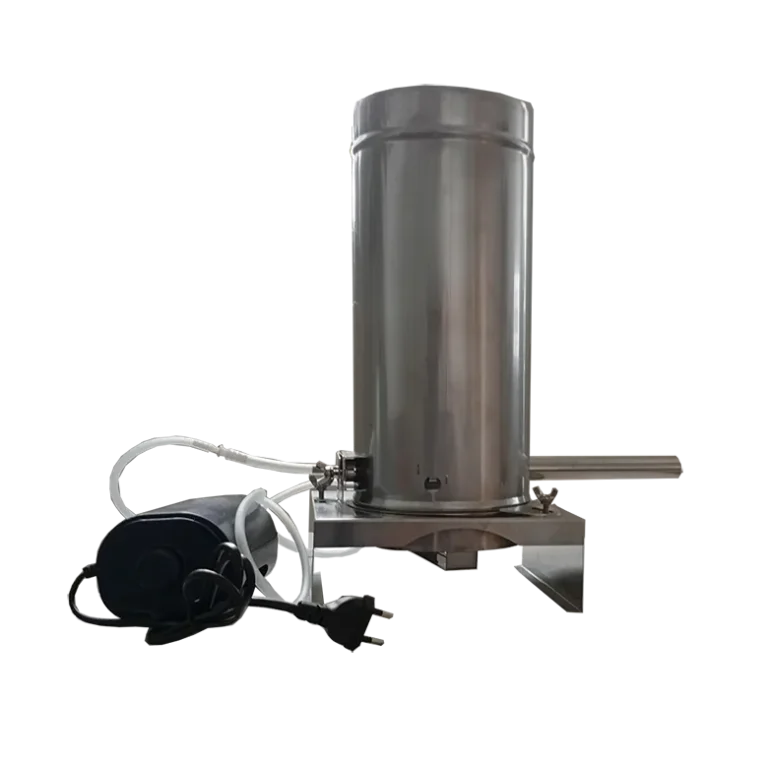
Which smoking wood chips work best? Compare alder, beech and fruitwood, learn why SG1/SG2 use dry 3–8 mm chips, and fix uneven smouldering.
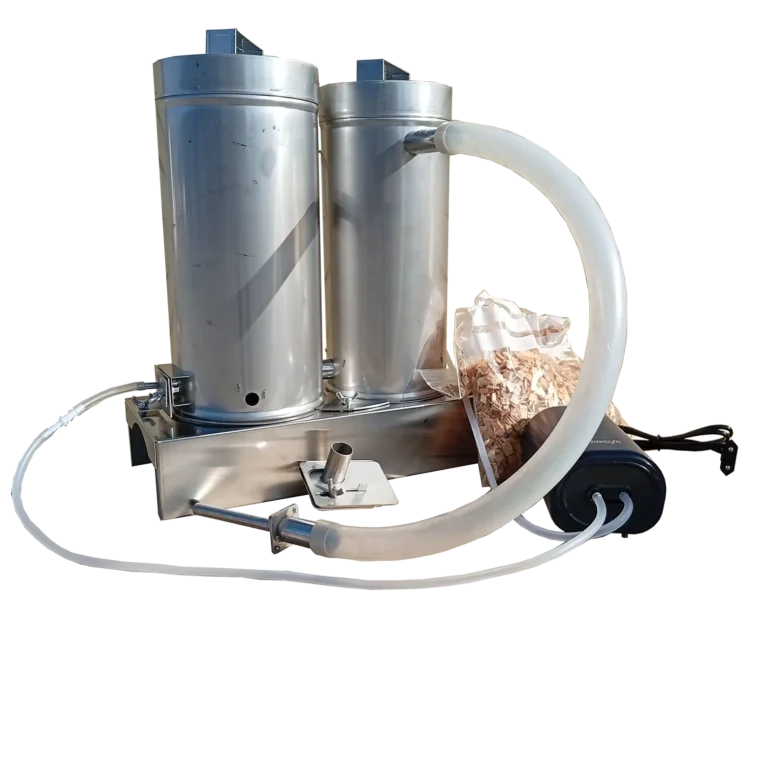
Compare TISKRE-DO SG1 and SG2 cold smoke generators: passive vs active cooling, airflow, maintenance, included equipment and which setup fits your smoker.
Learn how to use a cold smoke generator correctly: assemble SG1/SG2, choose and load wood chips, establish a stable smoulder, control airflow and temperature, troubleshoot smoke problems, and clean the system safely.
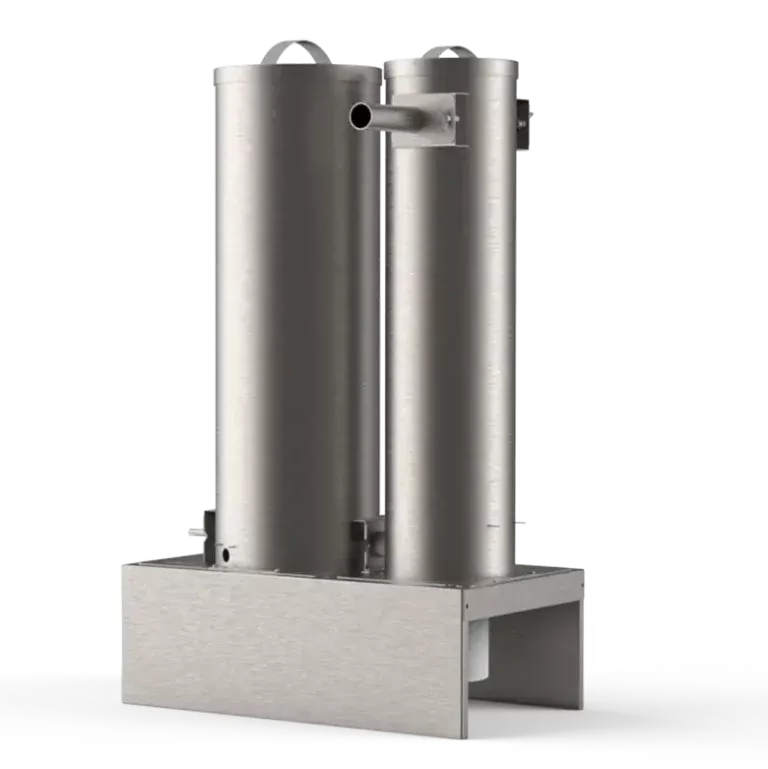
Cold smoking and hot smoking use smoke for flavour, but they are fundamentally different processes. Compare temperatures, food safety, texture, timing, equipment and the best method for fish, meat, cheese and more.
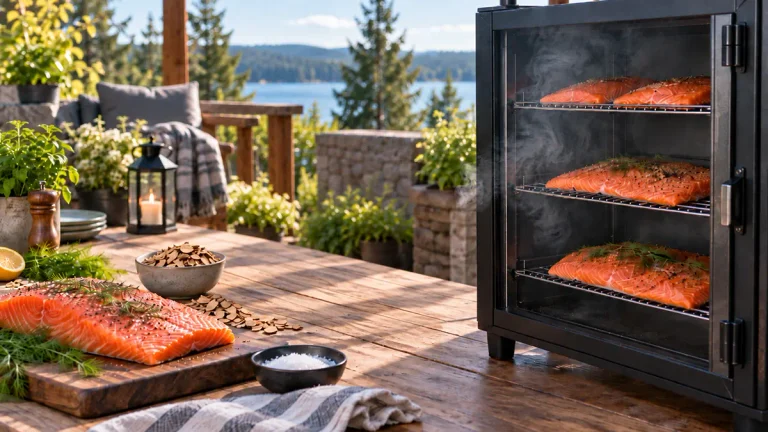
Cold smoking fish at home can produce deep smoke flavour, a firm silky texture and…
Cold smoking is different from hot smoking because the food is exposed to smoke at a lower temperature. The goal is not to cook the food with heat, but to add smoke flavour while keeping the smoking chamber cool and controlled. This makes preparation, temperature management and food safety especially important.
In this section, you will find cold smoking guides that explain how to prepare different foods, how long cold smoking can take, which wood chips are commonly used and what mistakes to avoid when starting out.
Learn how cold smoking works, how it differs from hot smoking and what beginners should know before starting.
Find practical guidance for cold smoking popular foods such as salmon, trout, pork, cheese and other suitable ingredients.
Understand why low temperature, steady smoke flow and enough smoking time matter for consistent cold smoking results.
Compare wood chip choices and learn how different smoke profiles can affect fish, meat, cheese and vegetables.
Fish, meat and cheese are among the most common foods used for cold smoking, but each requires a different approach. Cheese can often be smoked more simply, while fish and meat require careful preparation, salting, drying and temperature control.
For fish and meat, always follow reliable food safety practices. Cold smoking does not replace proper curing, salting, refrigeration or safe handling. If you are unsure about a recipe or process, use trusted food safety guidance before preparing meat or fish for cold smoking.
Temperature control is one of the most important parts of cold smoking. The smoking chamber should stay cool enough for the chosen food and process, while the smoke flow should remain steady and controlled. Too much heat can change the texture of the food, while unstable smoke flow can lead to uneven results.
These guides explain how to think about smoke temperature, airflow, wood chip refilling and longer smoking sessions. They are designed to help users plan the process before starting, rather than guessing during the smoking session.
Wood chips influence the flavour, aroma and intensity of cold smoked food. Mild woods are often preferred for cheese and delicate fish, while stronger smoke flavours may be used for meat or longer smoking sessions. The best choice depends on the food, preparation method and personal taste.
For stable smoke production, use dry wood chips suitable for food smoking. Avoid treated, painted or unknown wood, as unsuitable wood can produce unpleasant flavours or unsafe smoke.
This category is focused on cold smoking knowledge, techniques and preparation. For users who already understand the process and want to compare equipment, Tiskre-DO offers cold smoke generators made in Estonia for controlled smoke production.
You can compare available models in the cold smoke generator category, including options for ceramic, metal and kamado-style grills.
Cold smoking is a smoking method where food is exposed to smoke at a low temperature. The goal is to add smoke flavour rather than cook the food with heat.
Common foods for cold smoking include fish, meat, cheese, salt, nuts and some vegetables. Fish and meat require careful preparation and food safety control.
No. Hot smoking cooks food with heat and smoke, while cold smoking uses smoke at a lower temperature mainly for flavour. The preparation, temperature and safety requirements are different.
Cold smoking is done at a lower temperature than hot smoking. The exact temperature depends on the food and method, but the smoking chamber should stay cool enough for the chosen cold smoking process.
Cold smoking time depends on the food, preparation method, smoke intensity and desired flavour. Cheese may need less time, while fish or meat can require longer sessions and careful preparation.
For meat and fish, proper preparation is very important. This may include salting, curing, drying and refrigeration depending on the recipe. Always follow reliable food safety guidance.
The best wood chips depend on the food and flavour you want. Mild woods are often used for cheese and fish, while stronger woods may suit meat. Always use wood chips intended for food smoking.
Yes, cold smoking can be done with compatible ceramic, metal or kamado-style grills when the setup allows controlled smoke flow and low smoking temperature.
No. These guides are general educational resources. For meat and fish, always follow trusted food safety instructions, correct preparation methods and safe storage practices.
If you are ready to compare equipment, visit the Tiskre-DO cold smoke generator category to see available models for controlled cold smoking.